Saturday, April 8, 2023

Tuesday, April 4, 2023
Self-Employment Rises Among Women, Surpassing Pre-Covid High
Source: https://tinyurl.com/kcfueuwh
Written by: Ryan DerousseauSenior ContributorDT

Self-employment among women has jumped to pre-Covid highs, after a period of significant decline.GETTY
Self-employed women, broadly speaking, felt the full brunt of the Covid downturn at greater numbers than nearly any other group. The rate of self-employed mothers working at least 30 hours a week, for instance, dropped by more than 40% in one month from March to April 2020, according to Federal Reserve data. The rates of self-employed fathers working at least 30 hours a week dropped by 18% in comparison.
That number has reversed, according to new data from the Federal Reserve Bank of Dallas. In the years that followed the initial Covid surge, the number of women and mothers that have chosen the self-employment route has steadily increased, rising faster than rates of men and fathers.
Women now represent nearly 40% of all self-employed individuals, up from 34% in 2016. By August 2022, the number of self-employed women with children surpassed pre-Covid numbers as it sat 8% higher than rates seen in January 2020. These rates jumped even higher among women of color.
“As the rate of self-employment grows for all women, and especially for those of color, their businesses will have an increasingly large impact on the economy,” wrote Emily Ryder Perlmeter, a senior advisor in community development at the Federal Reserve Bank of Dallas.
Rates Fell During Hard Times
A reason that self-employment rates dropped further for women during the Covid recession also highlights holes within the parental safety-net. Childcare proved to be a significant cause of the decline amongst women who had children and were self-employed.
“Child care burdens in the United States fall disproportionately on women, which means that self-employed mothers were more likely than fathers to take time off to focus on at-home schooling,” wrote Perlmeter. “For another, women-owned firms were more likely than those owned by men to be in a financially precarious position prior to the pandemic.”
Women-owned firms without employees had an almost identical chance of operating at a loss as they did operating with a profit – 37% to 39% – in the months leading up to the pandemic. With little room to maneuver and familial demands that fell more on women than men, women-led, self-employed businesses suffered.
When dealing with issues that have large, societal reasons for existing – like the oft expectation that when stuff goes awry, it’s the mother not the father that will stay home with the kids – you cannot fix it through personal finance solutions. But you can fix your own susceptibility to the burden through personal financial tactics. It’s where honing that focus during times of relative strength (or less concern) can have significant benefits if something unexpected occurs again.
One important strategy is to try and build an emergency fund that covers expenses in case your work slows or you have to take time away for a short period. While let’s hope there’s not another Covid-like experience in our lifetime, you will likely experience shocks to your self-employment, in good economic conditions and bad. These shocks can come in the form of slower business, health concerns or parental duties. But having 3-6 months of monthly pay that you store in an easily accessible business savings account – separate from your personal account – will ensure you do not have to derail your self-employment company at the slightest sign of adversity.
The other tactic: make sure to diversify your clients.
Often, when someone in self-employment struggles, they have only one way to charge or attract clients. They serve one specific sector or only produce one type of product or service. But having multiple types of clients, across different sectors, needing different services or tools will ease this stress.
Outside of a Covid-esque derailment, while one part of the business lags, other parts of the business can be used to make up the shortfall.
Sunday, March 26, 2023
Entrepreneurship Over the Last 35 Years — and How We Can Change the Future for Women Business Owners
Source: https://tinyurl.com/4z9s4ahe
Written by: Sharon Miller
ENTREPRENEUR LEADERSHIP NETWORK CONTRIBUTORPresident of Small Business and Head of Specialty Banking & Lending
Sharon Miller is the president of Small Business and head of Specialty Banking and Lending, which includes overseeing Consumer Vehicle Lending, at Bank of America. In addition, she is a member of the company’s management operating committee.
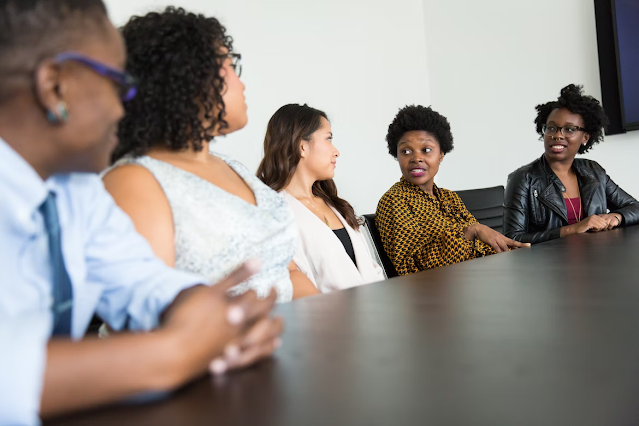
Celebrating 35 years of women's entrepreneurship and taking a look at what more needs to be done to pave the way for a successful generation of future women leaders and entrepreneurs.
With Women's History Month upon us, it's important that we honor, celebrate and recognize the impacts women entrepreneurs make across the business world. Women business leaders play an essential role in their local communities, our economy and the world at large. They serve as a vital part of the world's economic engine and empower the next generation of women to reach their goals as entrepreneurs.
Women made strides toward equality and advanced their mark on business in 1988 when The Women's Business Ownership Act was passed. This act, which was supported by the National Association of Women Business Owners (NAWBO), was created to address the needs of women by eliminating lending practices by banks that made business ownership more difficult for women than men.
This year, as we celebrate the 35th anniversary of The Women's Business Ownership Act as well as Women's History Month, it's important to pay respect and acknowledge our history and recognize its impact on the present. There is still work to be done as we can pave the way for a successful generation of future women leaders and entrepreneurs.
A look back at women's entrepreneurship over the last 35 years
More than three decades ago, the process to start a business changed for the better for women. The Women's Business Ownership Act was passed and empowered women entrepreneurs across the country to pursue their business goals. Prior to its passage, women business owners were required to have a man related to them as a co-signer on their business loans. The act helped reduce discrimination based on gender and allowed women to access capital to start a new business or fund their existing business.
There has been a significant increase in women-owned businesses since that milestone event. A few years after its passage, the number of women-owned businesses in the U.S. reached 6.4 million in 1992 — this represented one-third of all domestic firms and 40% of all retail and service firms, according to the United States Census. As of 2019, the number of women-owned businesses has doubled to nearly 13 million (representing 42% of all U.S. businesses), and a 2022 study showed that over the past three years, the number of women entrepreneurs grew by 48% year-over-year, which outpaced their male counterparts by 22%.
How we change the future for women business owners
Though we've made great strides over the last 35 years, women continue to face greater challenges than their male counterparts — for example, access to capital remains a critical issue for women and minority business owners. According to Bank of America's 2022 Women and Minority Business Owner Spotlight, nearly one-third of women business owners do not believe that women will ever have equal access to capital, and for those who do, they believe on average it will take nine years to achieve equal access. Clearly, we still have much progress to achieve.
To help overcome the disparity in access to capital, women need support and resources to navigate the capital landscape and identify potential sources of funding, such as equity, debt and grant capital. Banks have a responsibility to provide accessible capital solutions. There are a number of resources available right now that many women business owners don't know about. For example, in 2021 Bank of America launched the Access to Capital Directory for Women Entrepreneurs to help connect women to organizations that provide funding for women-owned businesses. Additionally, the Bank of America Institute for Women's Entrepreneurship at Cornell provides the opportunity for women to earn a certificate in business from the Ivy League university. The bank has also recently launched a public marketplace to support and showcase women-owned businesses that participate in programs to drive women's entrepreneurship.
Mentorship can also make a considerable difference in your professional growth. Over the years, I've learned the importance and value of this, both as a mentor and a mentee, and how much more can be achieved when you pay it forward and help lift other women up. This can be done through providing programs and materials, serving as a confidant to a peer or encouraging women to look into new, educational resources.
Education will continue to be key as women work to achieve full equality in business. Whether it's learning about business tactics or how to apply for grants, women must use every available resource to enhance their knowledge and reach as they begin their business endeavors. Through collaboration with fellow women and business partners, they can enhance efficiency, strengthen financial knowledge and deploy their creativity that takes their businesses to unseen levels of new success.
Many women business owners face challenges daily, but they continue to overcome adversity and remain dedicated — as we've observed over the last 35 years. I have especially seen this in my personal and professional life. We have a lot to celebrate, but I am even more excited and exhilarated to see what we accomplish in the next 35 years.
Friday, March 24, 2023

Thursday, March 16, 2023
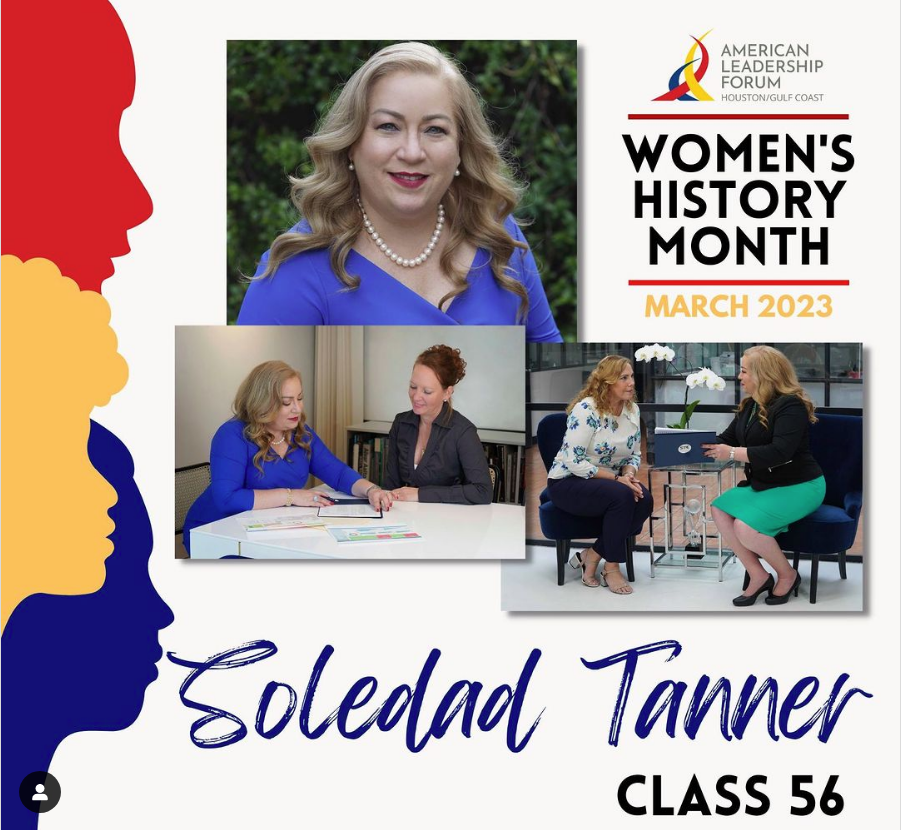
Interview by American leadership forum to Soledad Tanner (Women History Month)
Source: https://tinyurl.com/bdhnu9tf
𝐖𝐨𝐦𝐞𝐧'𝐬 𝐇𝐢𝐬𝐭𝐨𝐫𝐲 𝐌𝐨𝐧𝐭𝐡! All month long we will be spotlighting ALF Senior Fellows in our region making history in their fields.Meet 𝐒𝐞𝐧𝐢𝐨𝐫 𝐅𝐞𝐥𝐥𝐨𝐰, 𝐒𝐨𝐥𝐞𝐝𝐚𝐝 𝐓𝐚𝐧𝐧𝐞𝐫, 𝐂𝐥𝐚𝐬𝐬 𝟓𝟔 Founder and CEO of STC Consulting.
𝐀𝐬 𝐚 𝐟𝐞𝐦𝐚𝐥𝐞 𝐥𝐞𝐚𝐝𝐞𝐫, 𝐰𝐡𝐚𝐭 𝐢𝐬 𝐚𝐝𝐯𝐢𝐜𝐞 𝐲𝐨𝐮 𝐰𝐨𝐮𝐥𝐝 𝐠𝐢𝐯𝐞 𝐭𝐨 𝐨𝐭𝐡𝐞𝐫 𝐰𝐨𝐦𝐞𝐧 𝐚𝐬 𝐭𝐡𝐞𝐲 𝐧𝐚𝐯𝐢𝐠𝐚𝐭𝐞 𝐢𝐧 𝐭𝐡𝐞 𝐜𝐮𝐫𝐫𝐞𝐧𝐭 𝐰𝐨𝐫𝐥𝐝?
Be your authentic self, be kind, be prepared, smile, and always remember: "No matter who you are, where you are, or where you come from, you can achieve the life of your dreams."
𝐇𝐨𝐰 𝐡𝐚𝐬 𝐭𝐡𝐞 𝐀𝐋𝐅 𝐞𝐱𝐩𝐞𝐫𝐢𝐞𝐧𝐜𝐞 𝐬𝐡𝐚𝐩𝐞𝐝 𝐲𝐨𝐮 𝐚𝐬 𝐚 𝐥𝐞𝐚𝐝𝐞𝐫? 𝐀𝐧𝐝 𝐩𝐥𝐞𝐚𝐬𝐞 𝐬𝐡𝐚𝐫𝐞 𝐨𝐧𝐞 𝐞𝐱𝐚𝐦𝐩𝐥𝐞 𝐭𝐡𝐚𝐭 𝐝𝐞𝐦𝐨𝐧𝐬𝐭𝐫𝐚𝐭𝐞𝐬 𝐡𝐨𝐰 𝐭𝐡𝐞 𝐀𝐋𝐅 𝐥𝐞𝐚𝐫𝐧𝐢𝐧𝐠𝐬 𝐚𝐧𝐝 𝐞𝐱𝐩𝐞𝐫𝐢𝐞𝐧𝐜𝐞 𝐡𝐚𝐬 𝐡𝐞𝐥𝐩𝐞𝐝 𝐲𝐨𝐮 𝐚𝐬 𝐚 𝐥𝐞𝐚𝐝𝐞𝐫.
I have a deeper awareness on how my "coding" has influenced my emotions, decisions, actions and how I show up in the community.
I love the concept of being in "productive disequilibrium" and "raising the heat" to the level where the discomfort of not dealing with the issue could be higher than the consequences of not addressing.
𝐀𝐬 𝐲𝐨𝐮 𝐫𝐞𝐟𝐥𝐞𝐜𝐭 𝐭𝐡𝐢𝐬 𝐦𝐨𝐧𝐭𝐡 𝐨𝐧 𝐲𝐨𝐮𝐫 𝐥𝐞𝐚𝐝𝐞𝐫𝐬𝐡𝐢𝐩 𝐞𝐱𝐩𝐞𝐫𝐢𝐞𝐧𝐜𝐞, 𝐰𝐡𝐚𝐭 𝐭𝐡𝐨𝐮𝐠𝐡𝐭𝐬 𝐰𝐨𝐮𝐥𝐝 𝐲𝐨𝐮 𝐥𝐢𝐤𝐞 𝐭𝐨 𝐬𝐡𝐚𝐫𝐞 𝐚𝐛𝐨𝐮𝐭 "𝐫𝐚𝐝𝐢𝐜𝐚𝐥 𝐜𝐨𝐧𝐧𝐞𝐜𝐭𝐢𝐨𝐧𝐬" 𝐰𝐢𝐭𝐡 𝐨𝐭𝐡𝐞𝐫 𝐰𝐨𝐦𝐞𝐧 𝐚𝐧𝐝 𝐭𝐡𝐨𝐬𝐞 𝐫𝐞𝐥𝐚𝐭𝐢𝐨𝐧𝐬𝐡𝐢𝐩𝐬 𝐡𝐚𝐯𝐞 𝐢𝐦𝐩𝐚𝐜𝐭𝐞𝐝 𝐲𝐨𝐮 𝐚𝐧𝐝 𝐭𝐡𝐞 𝐜𝐨𝐦𝐦𝐮𝐧𝐢𝐭𝐲 𝐲𝐨𝐮 𝐬𝐞𝐫𝐯𝐞?
The power of connections is crucial because it opens the door to vulnerability and transformation. I have developed deep friendships and a sense of belonging, which is key to long lasting impact and evolution. ALF has been an amazing experience for me!
𝐀𝐬 𝐚 𝐟𝐞𝐦𝐚𝐥𝐞 𝐥𝐞𝐚𝐝𝐞𝐫, 𝐰𝐡𝐚𝐭 𝐢𝐬 𝐚𝐝𝐯𝐢𝐜𝐞 𝐲𝐨𝐮 𝐰𝐨𝐮𝐥𝐝 𝐠𝐢𝐯𝐞 𝐭𝐨 𝐨𝐭𝐡𝐞𝐫 𝐰𝐨𝐦𝐞𝐧 𝐚𝐬 𝐭𝐡𝐞𝐲 𝐧𝐚𝐯𝐢𝐠𝐚𝐭𝐞 𝐢𝐧 𝐭𝐡𝐞 𝐜𝐮𝐫𝐫𝐞𝐧𝐭 𝐰𝐨𝐫𝐥𝐝?
Be your authentic self, be kind, be prepared, smile, and always remember: "No matter who you are, where you are, or where you come from, you can achieve the life of your dreams."
𝐇𝐨𝐰 𝐡𝐚𝐬 𝐭𝐡𝐞 𝐀𝐋𝐅 𝐞𝐱𝐩𝐞𝐫𝐢𝐞𝐧𝐜𝐞 𝐬𝐡𝐚𝐩𝐞𝐝 𝐲𝐨𝐮 𝐚𝐬 𝐚 𝐥𝐞𝐚𝐝𝐞𝐫? 𝐀𝐧𝐝 𝐩𝐥𝐞𝐚𝐬𝐞 𝐬𝐡𝐚𝐫𝐞 𝐨𝐧𝐞 𝐞𝐱𝐚𝐦𝐩𝐥𝐞 𝐭𝐡𝐚𝐭 𝐝𝐞𝐦𝐨𝐧𝐬𝐭𝐫𝐚𝐭𝐞𝐬 𝐡𝐨𝐰 𝐭𝐡𝐞 𝐀𝐋𝐅 𝐥𝐞𝐚𝐫𝐧𝐢𝐧𝐠𝐬 𝐚𝐧𝐝 𝐞𝐱𝐩𝐞𝐫𝐢𝐞𝐧𝐜𝐞 𝐡𝐚𝐬 𝐡𝐞𝐥𝐩𝐞𝐝 𝐲𝐨𝐮 𝐚𝐬 𝐚 𝐥𝐞𝐚𝐝𝐞𝐫.
I have a deeper awareness on how my "coding" has influenced my emotions, decisions, actions and how I show up in the community.
I love the concept of being in "productive disequilibrium" and "raising the heat" to the level where the discomfort of not dealing with the issue could be higher than the consequences of not addressing.
𝐀𝐬 𝐲𝐨𝐮 𝐫𝐞𝐟𝐥𝐞𝐜𝐭 𝐭𝐡𝐢𝐬 𝐦𝐨𝐧𝐭𝐡 𝐨𝐧 𝐲𝐨𝐮𝐫 𝐥𝐞𝐚𝐝𝐞𝐫𝐬𝐡𝐢𝐩 𝐞𝐱𝐩𝐞𝐫𝐢𝐞𝐧𝐜𝐞, 𝐰𝐡𝐚𝐭 𝐭𝐡𝐨𝐮𝐠𝐡𝐭𝐬 𝐰𝐨𝐮𝐥𝐝 𝐲𝐨𝐮 𝐥𝐢𝐤𝐞 𝐭𝐨 𝐬𝐡𝐚𝐫𝐞 𝐚𝐛𝐨𝐮𝐭 "𝐫𝐚𝐝𝐢𝐜𝐚𝐥 𝐜𝐨𝐧𝐧𝐞𝐜𝐭𝐢𝐨𝐧𝐬" 𝐰𝐢𝐭𝐡 𝐨𝐭𝐡𝐞𝐫 𝐰𝐨𝐦𝐞𝐧 𝐚𝐧𝐝 𝐭𝐡𝐨𝐬𝐞 𝐫𝐞𝐥𝐚𝐭𝐢𝐨𝐧𝐬𝐡𝐢𝐩𝐬 𝐡𝐚𝐯𝐞 𝐢𝐦𝐩𝐚𝐜𝐭𝐞𝐝 𝐲𝐨𝐮 𝐚𝐧𝐝 𝐭𝐡𝐞 𝐜𝐨𝐦𝐦𝐮𝐧𝐢𝐭𝐲 𝐲𝐨𝐮 𝐬𝐞𝐫𝐯𝐞?
The power of connections is crucial because it opens the door to vulnerability and transformation. I have developed deep friendships and a sense of belonging, which is key to long lasting impact and evolution. ALF has been an amazing experience for me!
Friday, March 10, 2023

Wednesday, February 22, 2023

Subscribe to:
Posts (Atom)